HNPLANTS

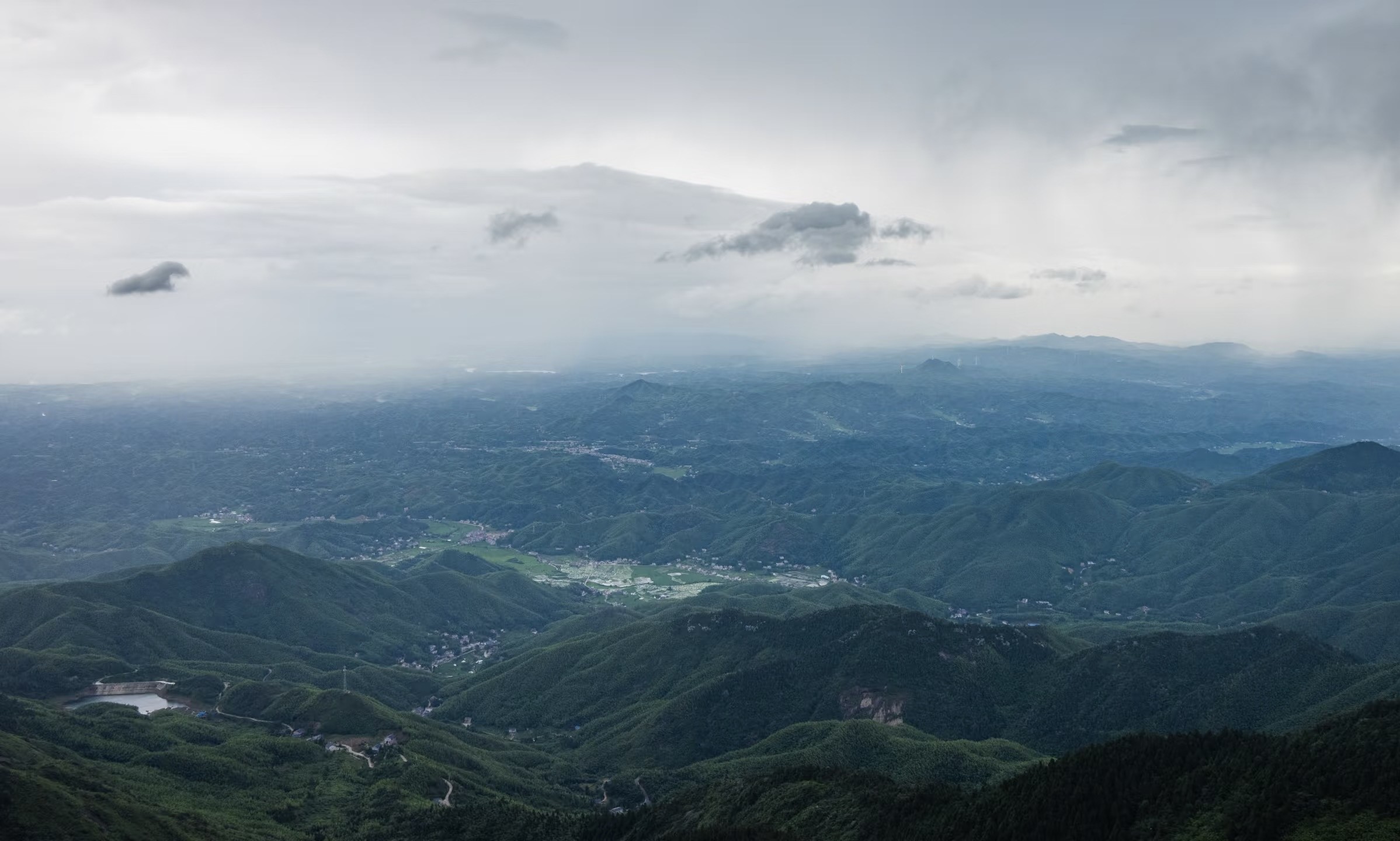
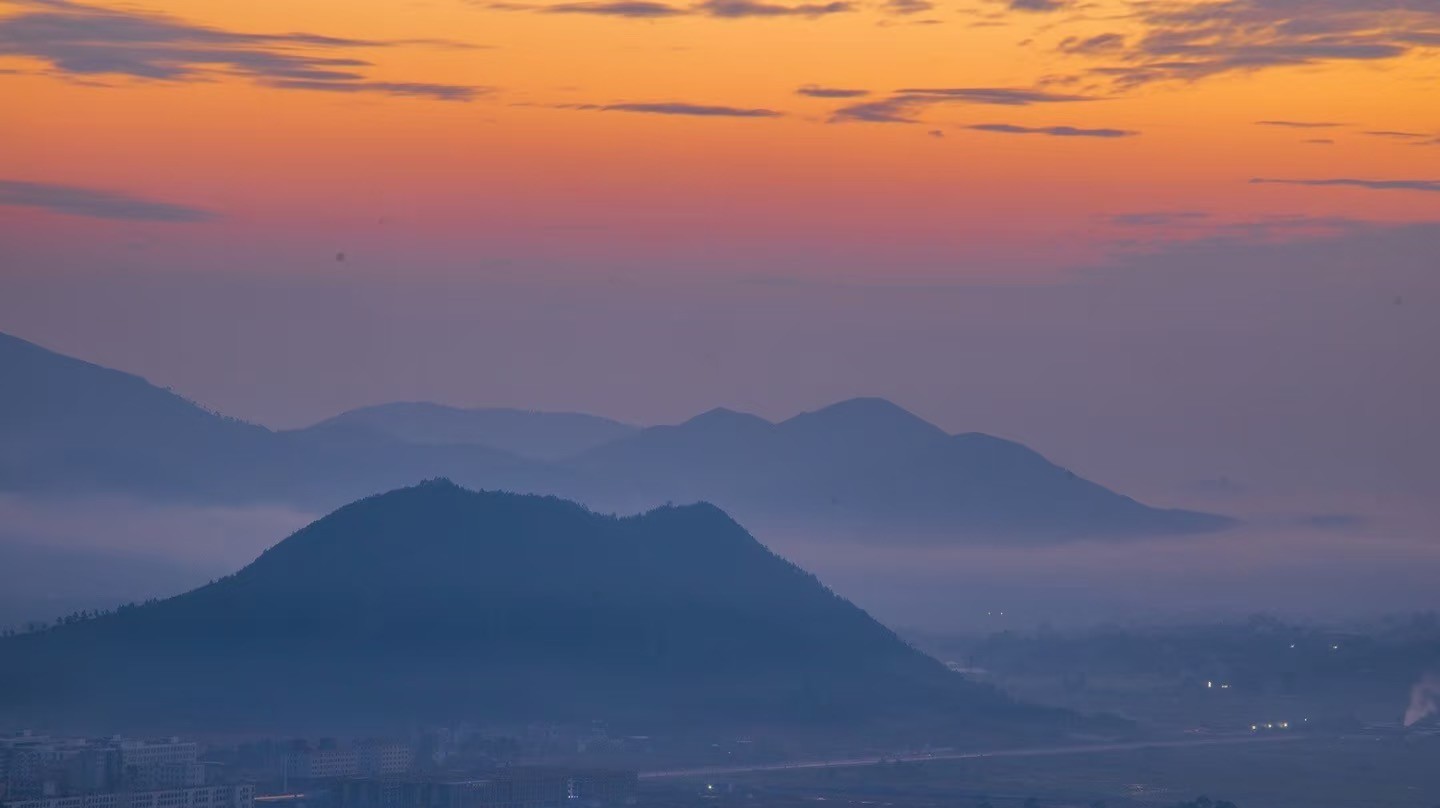
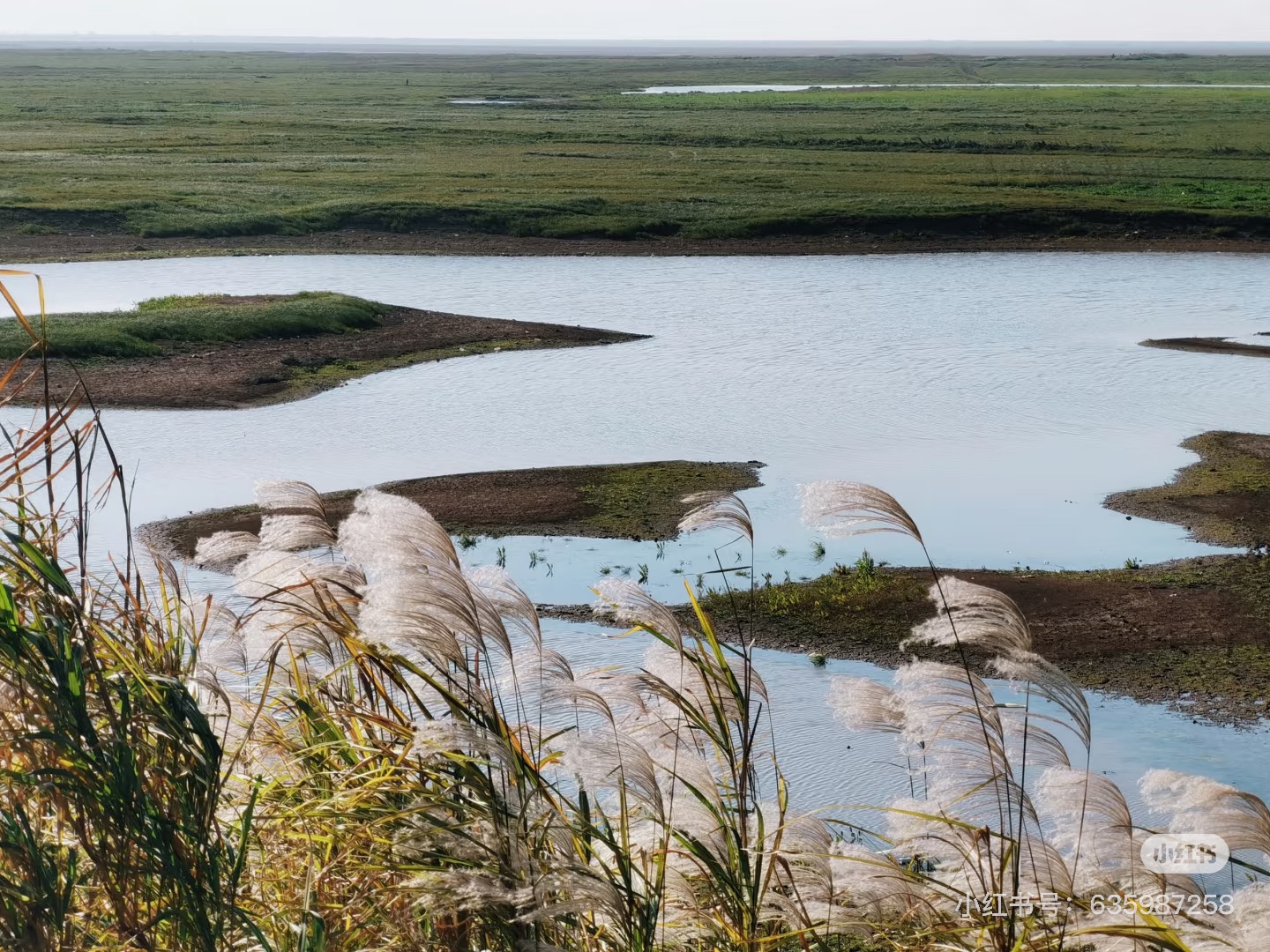
Hunan’s terrain forms a horseshoe-shaped basin open to the north. It is surrounded by mountains on the east, south and west, with rolling hills and mounds in the central area and the low-lying Dongting Plain in the north. These four types of landforms have nurtured distinct vegetation and agricultural landscapes.

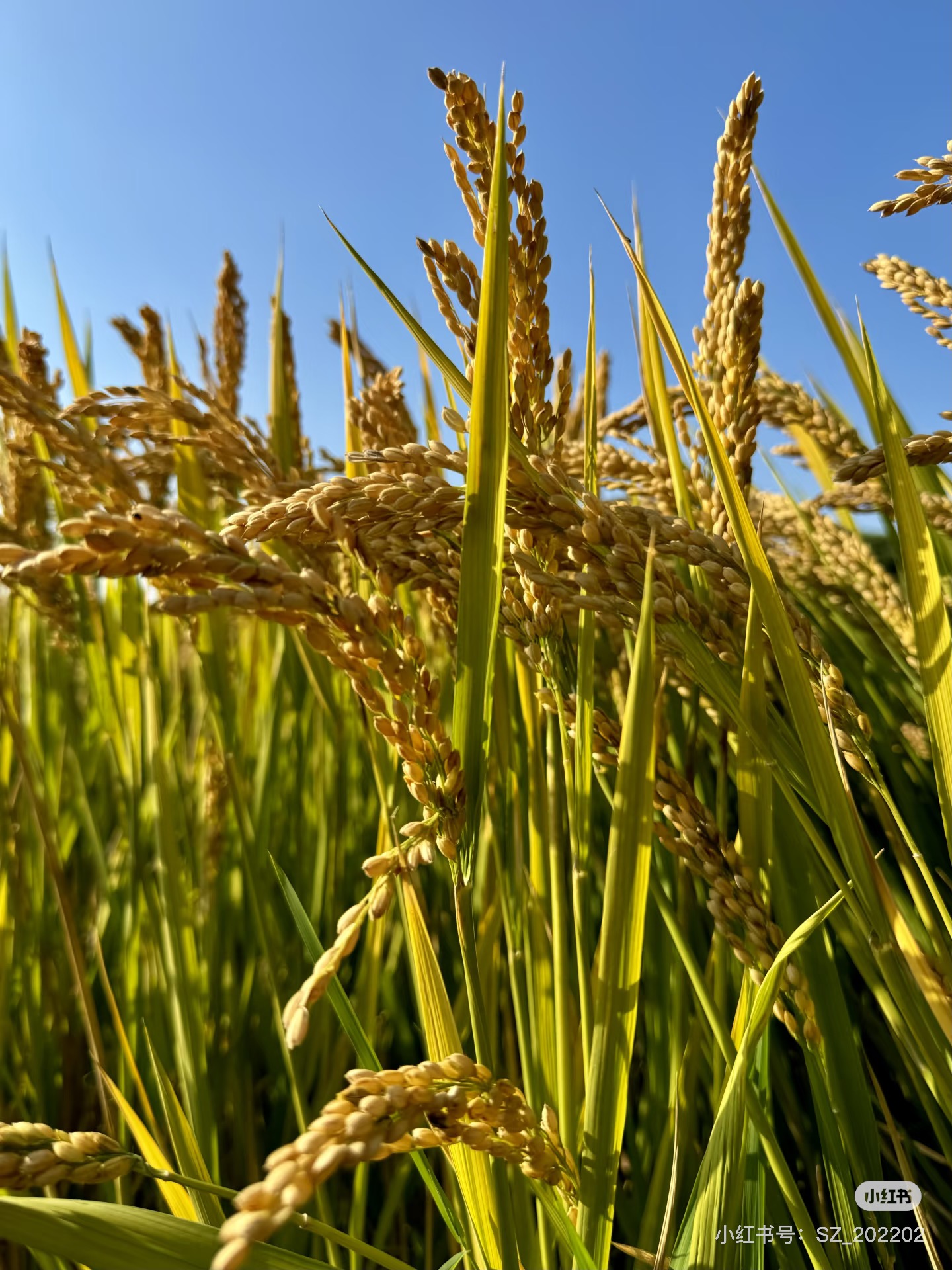
Rice

Typical Representative: Rice

Hunan is a major rice-producing province in China, where hybrid rice technology spread to the world. Rice is not only the staple food for Hunan people, but also the foundation of local food culture such as rice noodles, rice wine and glutinous rice cakes. Yuan Longping conducted research on hybrid rice in Hunan, making the province the "hometown of hybrid rice".

1. Distribution

Rice is cultivated across the whole province. Core production areas are concentrated in the Dongting Lake region (Changde, Yiyang, Yueyang) and central-southern Hunan (Changsha, Hengyang, Yongzhou, Chenzhou). The Dongting Lake area serves as an important national commercial grain base. The hilly and mountainous areas of southern Hunan mainly grow middle-season rice and single-cropping late rice.

2. Growing Environment

Rice requires large amounts of water. The alluvial paddy soil in the Dongting Plain features deep soil layers with strong water and nutrient retention capacity. Varieties for hilly regions such as Heyōu No.1 are suitable for elevations of 300–500 metres, with a whole growth period of 142.3 days.
Junshan Yinzhen Tea

Typical Representative: Junshan Yinzhen (Tea)

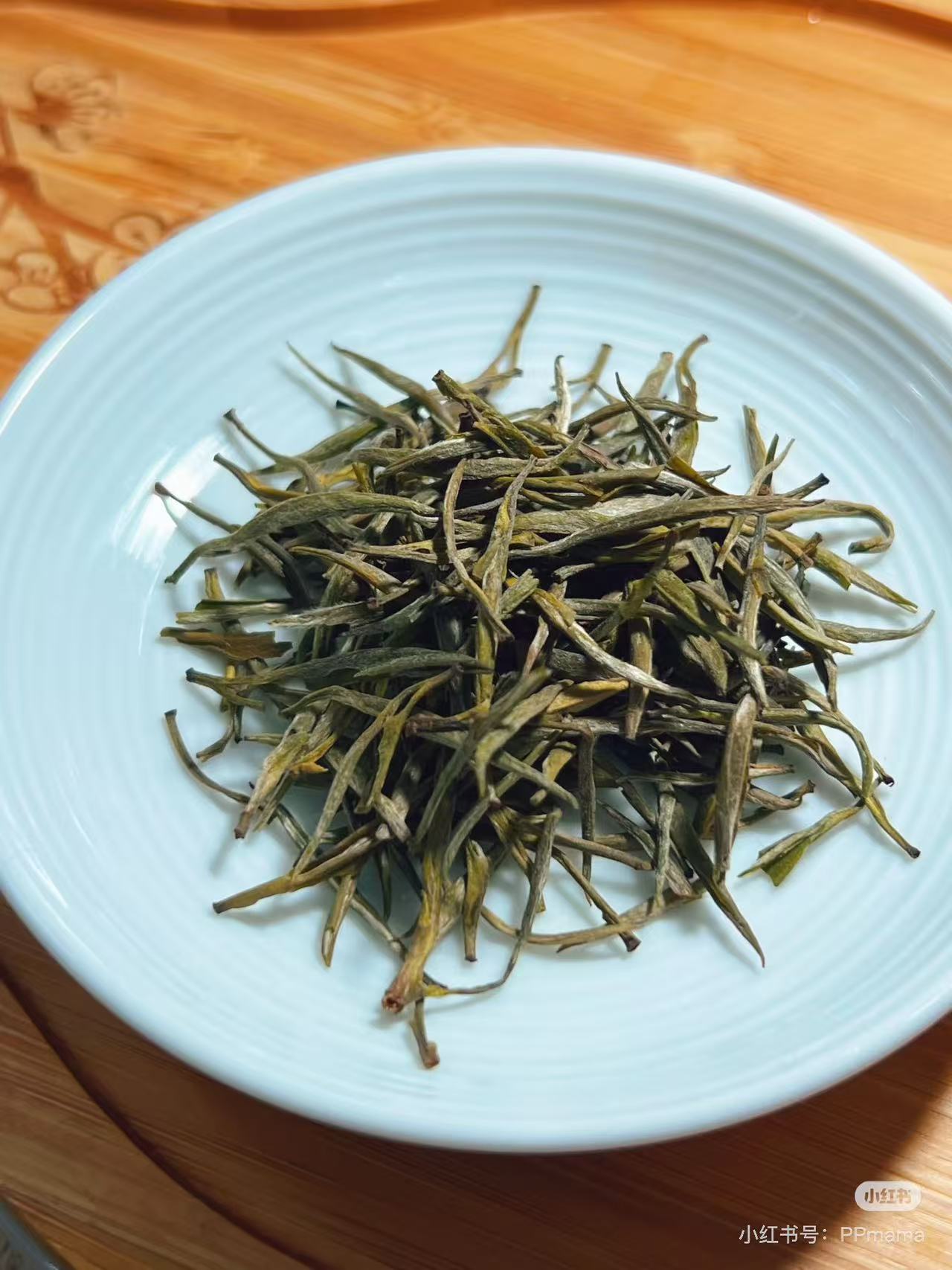
Junshan Yinzhen is a famous Chinese yellow tea. It was listed as a tribute tea as early as the Tang Dynasty. Classified as yellow tea, it features sturdy and uniformly-sized buds with golden, lustrous surfaces covered in fine white hairs, earning the elegant nickname "Gold Inlaid with Jade". When brewed, the tea buds rise and fall three times, known as the "three rises and three falls". The tea infusion is apricot-yellow and clear. Historically, it was named "Yellow Feathers" (Later Tang of the Five Dynasties), "White Crane Tea" (Song Dynasty), and "Junshan White Hairs" (Qing Dynasty). It was officially named "Junshan Yinzhen" in 1957.

1. Distribution (Junshan Yinzhen)

The core producing area covers Junshan Island and Xushi Town in Junshan District, Yueyang City. Junshan Tea Farm is its sole original production site.

2. Growing Environment

Junshan Island, where Junshan Yinzhen grows, is surrounded by water. Shrouded in mist for nearly 300 days a year, the island receives continuous moisture from the lake. The climate is mild and humid all year round with no severe cold in winter and a long frost-free period. The island is mostly covered by sandy soil, which is deep and fertile. The large diurnal temperature difference creates a special microclimate favourable for tea growth.

Ramie

Typical Representative: Ramie

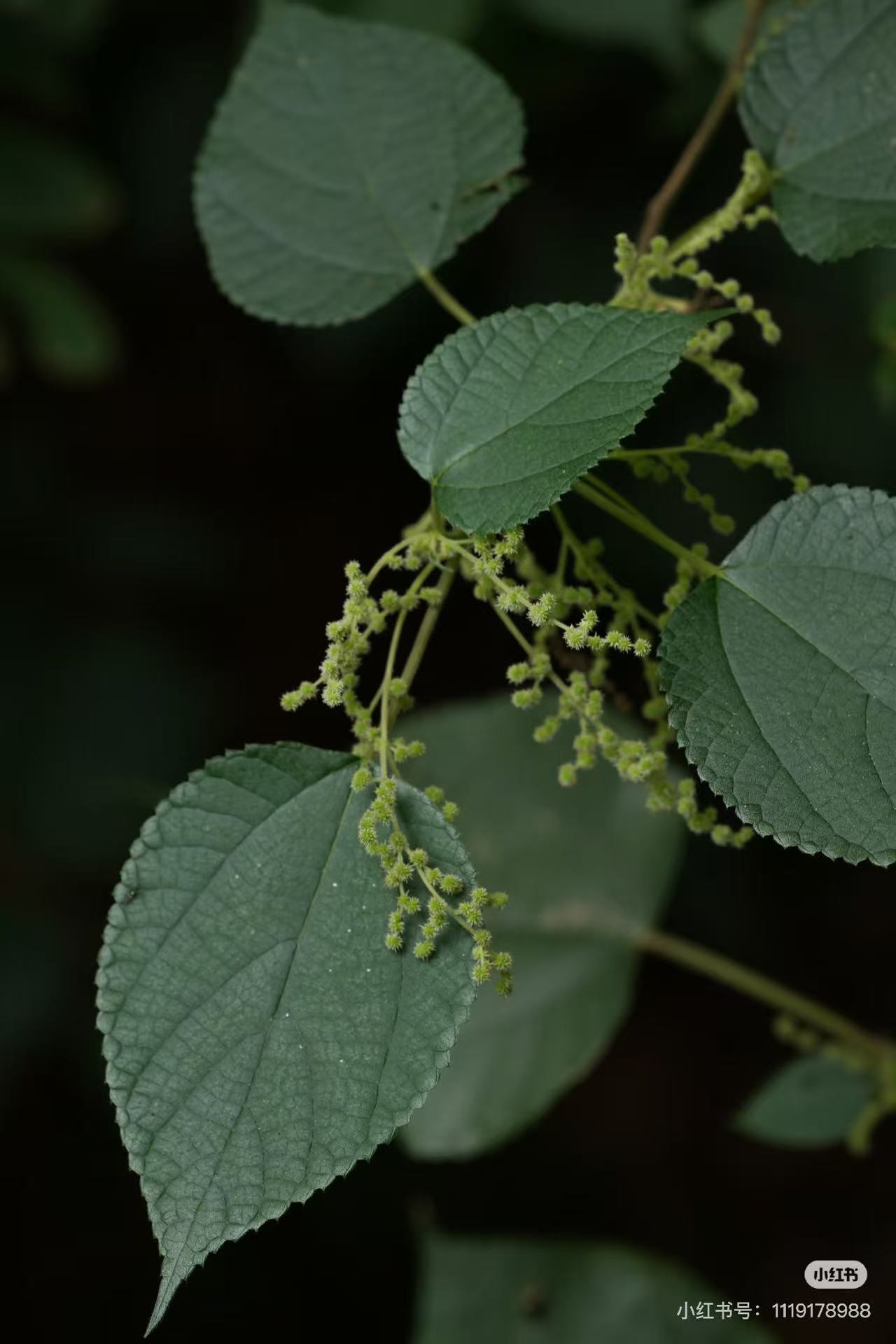
Yuanjiang ramie is a specialty of Yuanjiang City, Yiyang, Hunan. Known as the "Hometown of Ramie", Yuanjiang is China's largest production base for high-quality ramie, accounting for one quarter of the nation's total ramie output.

1. Products

Raw ramie, degummed ramie, ramie yarn, and grass cloth (Liuyang grass cloth is a renowned traditional product).

2. Distribution

Yuanjiang City serves as the core producing region. At its historical peak, the planting area exceeded 250,000 mu. The five major ramie planting bases are located in Sihushan, Nanda and other towns. Other major ramie-producing counties in the Dongting Lake area include Nanxian, Hanshou, Huarong and Taoyuan.

3. Growing Environment

Ramie is a thermophilic crop. The optimal temperature for the growth of aboveground stems ranges from 15–32°C, and the optimum temperature for seed germination is 25–30°C. Seedlings will suffer cold damage if the temperature drops below 3°C in early spring. It thrives best in sandy loam, clay loam and humus loam, with soil moisture content of 20%–24%. Research from Hunan Agricultural University shows that soils developed on parent material of Paleozoic sedimentary rocks at the foot of hilly slopes and valleys produce ramie with high yield and fine quality. Yuanjiang in the Dongting Lake Plain has an annual average temperature of 16.9°C. The favourable combination of light, heat and water from April to September is highly conducive to ramie growth and development.

Hilly Areas of Central Hunan

Hilly Areas of Central and Southern Hunan

LEARN MORE NOW

Geography and Landforms

Located in south-central Hunan Province, this region mainly consists of hilly areas east of the Xuefeng Mountains, north of the Nanling Mountains and west of the Luoxiao Mountains. Most elevations range from 200 to 500 metres. The terrain is dominated by undulating rolling hills and broad-valley remnant hills dotted with numerous basins, including the Hengyang, Zhuzhou and Xiangtan Basins. Mount Heng (Nanyue) rises abruptly in south-central Hunan, with its main peak reaching 1290 metres above sea level.

Climate and Soil

It has a humid mid-subtropical monsoon climate with abundant thermal resources. However, drought frequently occurs in summer and autumn, especially severe in the hills of central Hunan. The zonal soil is mainly red soil, widely distributed across low mountains, hills and river valley basins. Some limestone areas boast rich vegetation diversity, with tall Fagaceae trees serving as the dominant constructive species.

Representative Plants and Agriculture

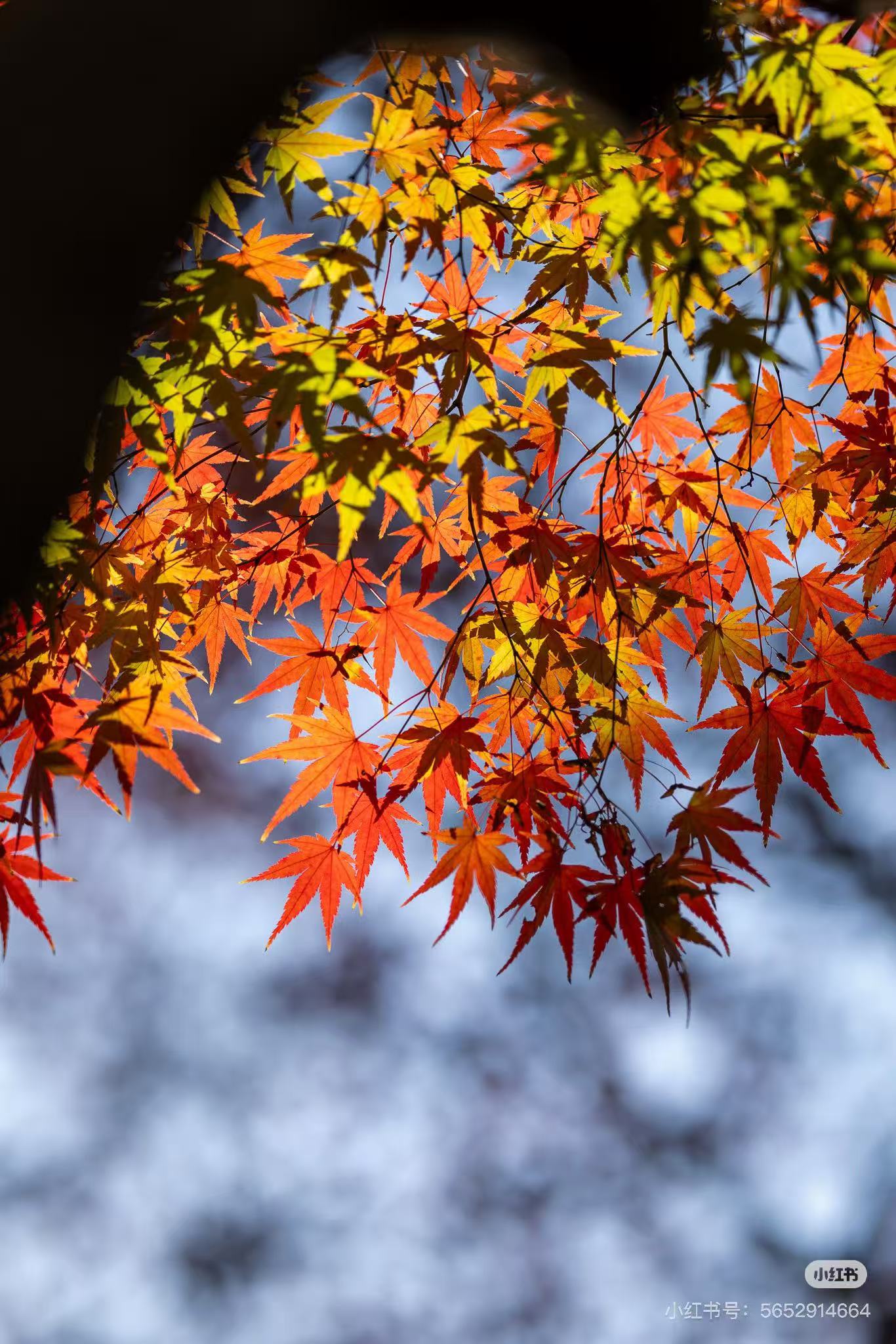
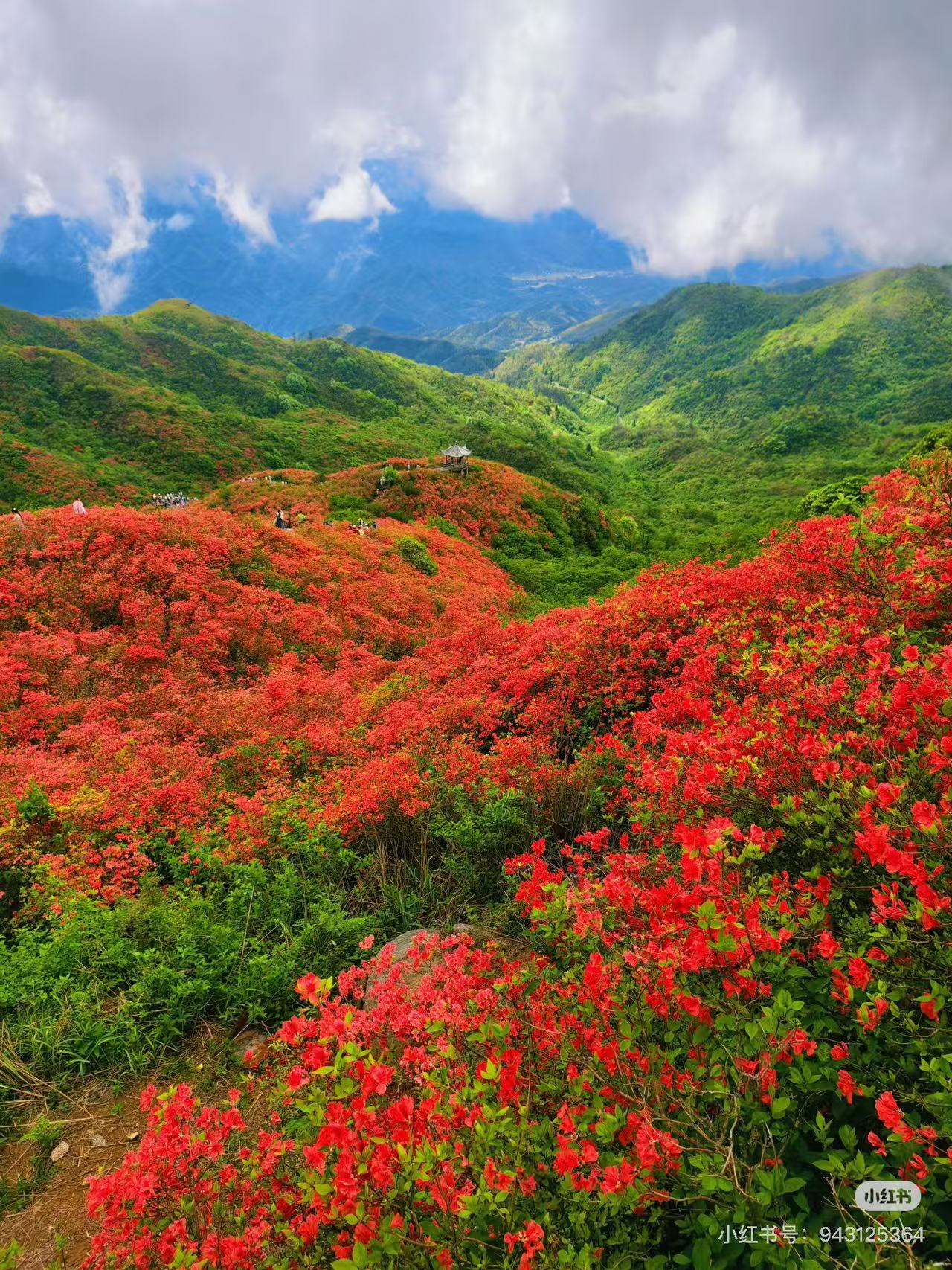
This area is an important production zone for oil tea. The hills of southern and eastern Hunan form the concentrated distribution belt of oil tea. The core producing area of Xianglian (Hunan Lotus) lies in Xiangtan County, where a natural wetland system has formed on the alluvial plain of the Lianshui River. Citrus varieties such as Yongxing Rock Sugar Orange and Yizhang Navel Orange are also cultivated here. As Changsha's city tree, camphor trees are widely used in urban greening. Red maples and azaleas constitute the iconic scenery of Yuelu Mountain in spring and autumn.

Hunan Lotus

Typical Representative: Hunan Lotus (Xianglian)

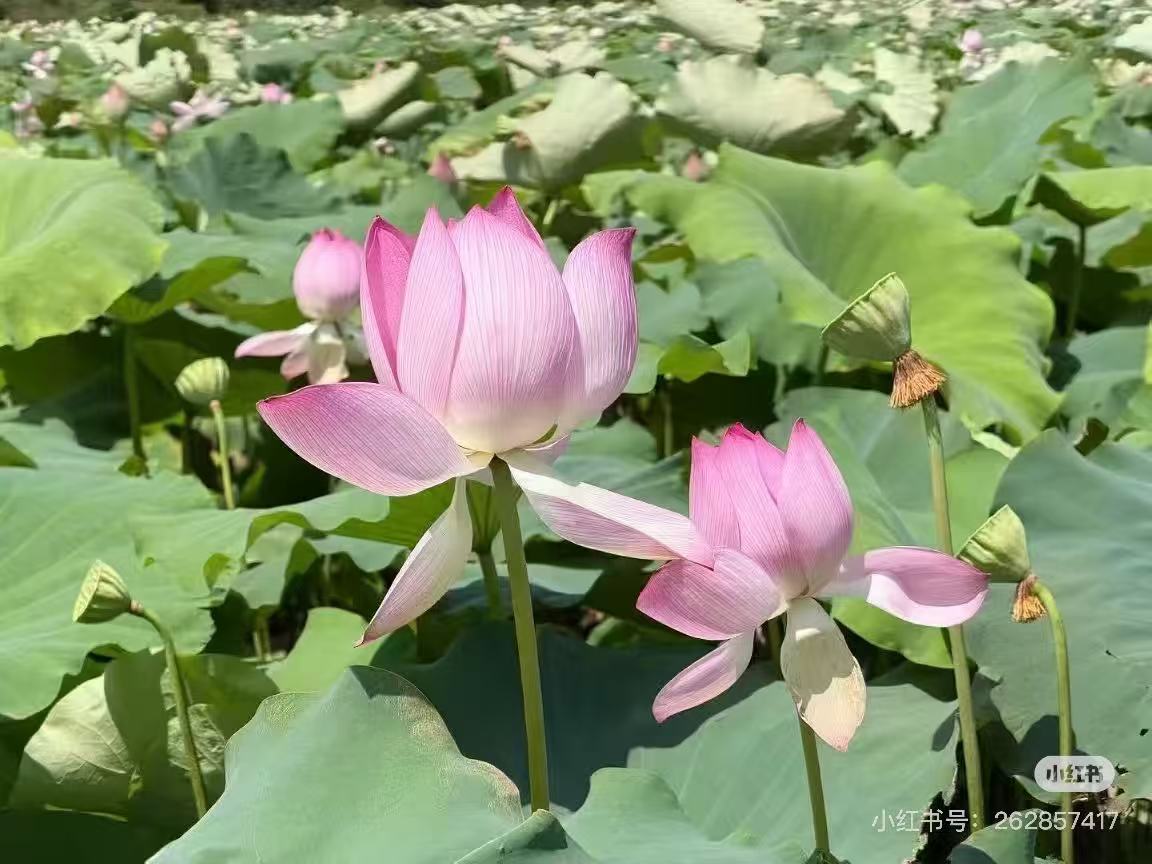
Xianglian is Hunan's most representative aquatic vegetable, with a cultivation history of more than 3,000 years.

1. Products

Lotus seeds (dried / fresh), lotus root starch.

2. Distribution

The core producing area is Xiangtan County. Huashi Town boasts over 20,000 mu of Xianglian plantation. It is the nation's largest Xianglian production base and trade distribution centre for lotus seeds, with an annual output value exceeding 3 billion yuan. Relying on the alluvial plain of the Lianshui River, Huashi Town, Paitou Township and Jinshi Township form a natural wetland system, constituting the core planting belt of Xianglian.

3. Growing Environment

The Xianglian producing area has a humid subtropical monsoon climate. The annual average temperature is 17.2°C, the frost-free period exceeds 280 days, and annual precipitation is approximately 1350 mm. The soil is mainly alluvial paddy soil with organic matter content above 2.8% and a pH value of 6.0–6.8, which is highly suitable for the root development of lotus.

Camphor Tree

Typical Representative: Camphor Tree (City Tree of Changsha)

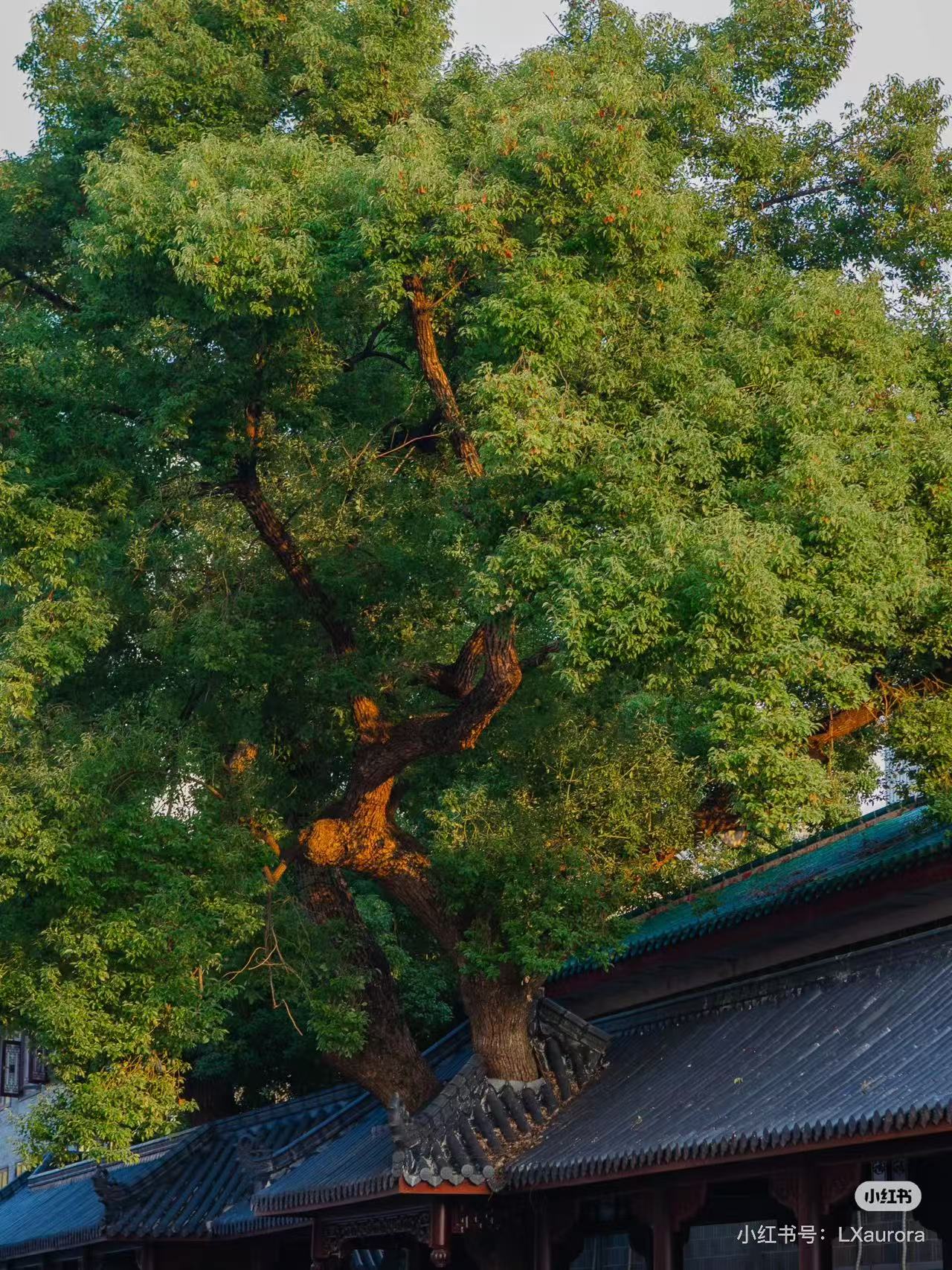
The camphor tree is the city tree of Changsha. Evergreen all year round with a broad crown, it is Hunan's most representative urban greening tree species.

1. Products

Street trees, landscape trees, ancient and famous trees. Camphor wood can be used for furniture and carving. Camphor and camphor oil are applied in medicine and perfume.

2. Distribution

Camphor trees are widely distributed across the province. They dominate street plantings in urban Changsha, and numerous ancient camphor trees can be found throughout Hunan.

3. Growing Environment

Camphor trees prefer warm and humid climates and have poor cold tolerance. They thrive in regions with an annual average temperature of 16–18°C and annual precipitation above 1000 mm. They are not demanding on soil conditions but grow best in fertile, deep, well-drained slightly acidic soils. The climate across Hunan is suitable for camphor tree growth.

Red Maple and Azalea

Typical Representative: Red Maple and Azalea

The red maples and azaleas on Yuelu Mountain are Changsha's most famous natural landscapes in spring and autumn.

1. Cultural Significance

Together with Yuelu Academy and Aiwan Pavilion, they form the cultural imagery depicted in the poem "Frosted leaves outshine the flowers of early spring". Azalea is also the city flower of Changsha.

2. Distribution

Yuelu Mountain serves as the core viewing area. The trees mainly consist of Japanese maple (Acer palmatum), whose leaves turn red in autumn. They are most densely distributed around Aiwan Pavilion. Hunan Botanical Garden also has large patches of these trees.

3. Growing Environment

They adapt to hilly areas at elevations of 300–1000 metres. They prefer sunlight yet tolerate partial shade, and thrive in moist, well-drained slightly acidic soil. Yuelu Mountain stands at approximately 300 metres above sea level. The large diurnal temperature difference in autumn and winter facilitates the accumulation of anthocyanin in leaves, producing bright red foliage.

Basins of Eastern and Southern Hunan

Basins of Eastern and Southern Hunan

Geography and Landforms

Eastern Hunan features the Mufu, Lianyun, Dawei and Luoxiao Mountains, most of which exceed 1,000 metres in elevation and form the watershed between the river systems of Hunan and Jiangxi. Southern Hunan is dominated by hilly river valley basins, mostly below 500 metres above sea level. The hills and mounds are mainly composed of limestone, red beds and sandstone.

Climate and Soil

Basins in southern Hunan lie in the transitional zone from the mid-subtropical to the south-subtropical climate zone, boasting superior thermal conditions. The annual average temperature ranges from 18.5–21°C, with a frost-free period of 310–330 days and annual precipitation of 1500–1900 mm. Red soil and yellow soil are the representative soils. Red soil is widely distributed in low mountains, hills and river valley basins east of the Xuefeng Mountains.

Representative Vegetation and Agriculture

The most distinctive cash crop in this region is chilli. Geographical indication products such as Liling Glass Chilli, Wangshiwan Yellow Chilli (Luxu District) and Rucheng Chilli are all concentrated here. Major oil-tea counties cluster in the Hengshao Basin and Eastern Hunan, including Liuyang, Hengdong, Youxian, Leiyang, Changning and Liling. In addition, moso bamboo forests grow in Guidong County, on the edge of the Luoxiao Mountain basins in Eastern Hunan.

LEARN MORE NOW
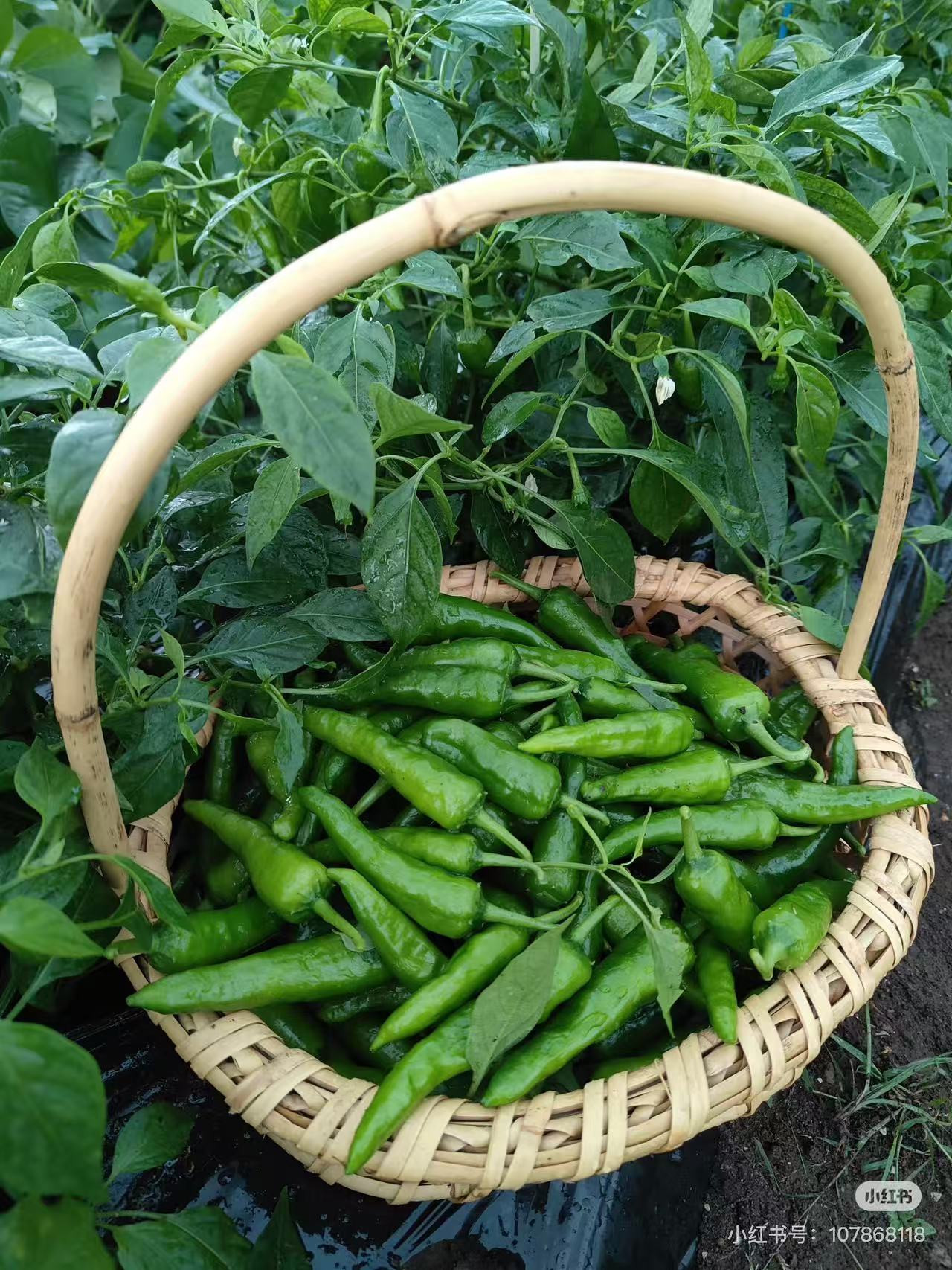
Chilli

Typical Representative: Chilli

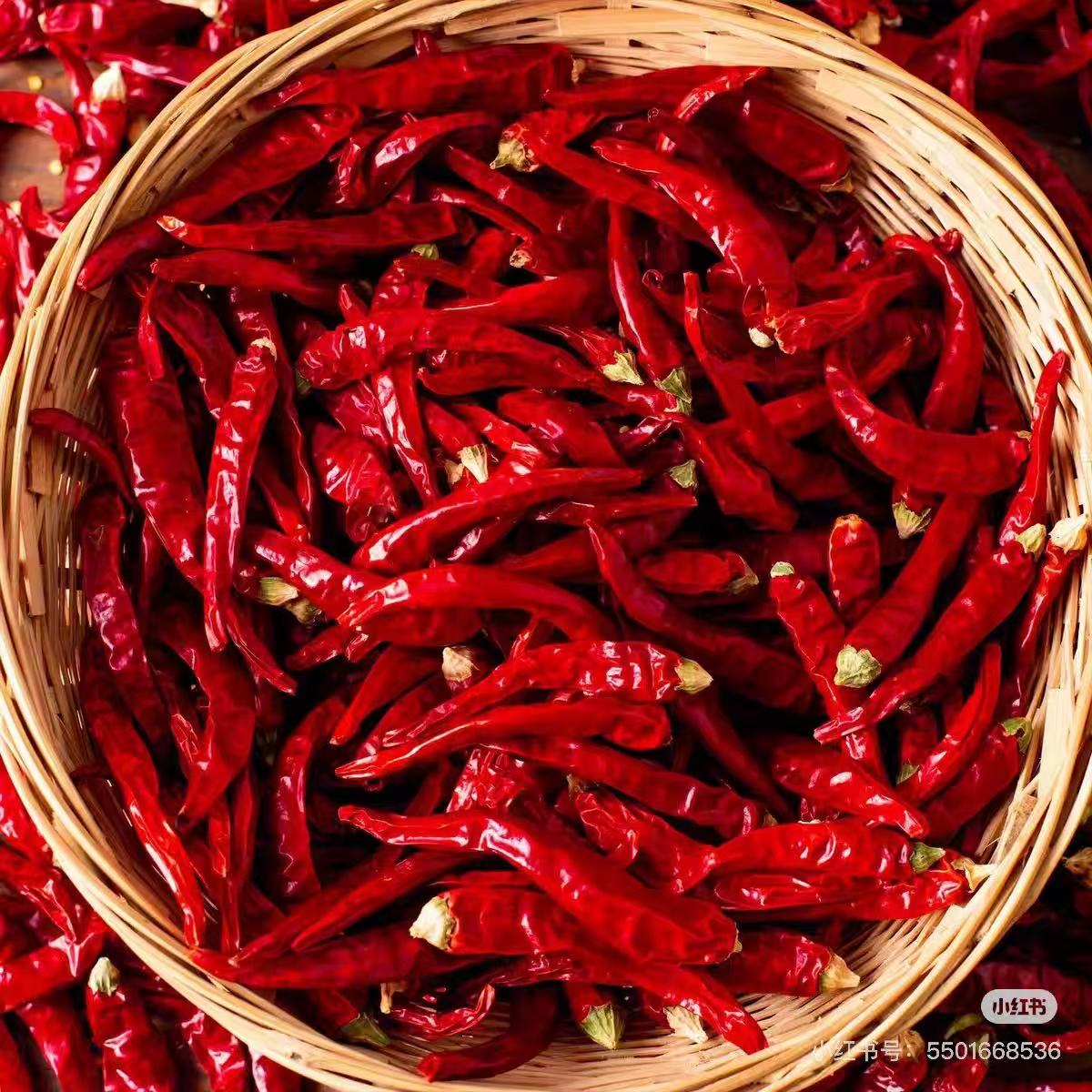
Hunan boasts 13 national geographical indication chilli products, ranking first nationwide. Chilli is the soul of Hunan cuisine.

1. Products

Processed products: chopped chilli, pickled chilli, dried chilli.

2. Distribution

Liling Glass Chilli originates from Mingyue Town, Liling City. Wangshiwan Yellow Chilli is produced in Longchuan Town, Lukou District. Quanshui Town in Rucheng County is known as the Chilli Town. In 2020, its chilli planting area exceeded 12,000 mu, making it Rucheng's largest chilli production base. The peri-Dongting Lake producing area mainly covers Yueyang, Changde and Yiyang.

3. Growing Environment

For Wangshiwan Yellow Chilli, the soil in its producing area is a special sandy soil named "green mixed mud", formed by sediment deposition from the Xiangjiang River. It features moderately weak alkalinity, which yields yellow chillis with thin skins, thick flesh and a crisp, fragrant and spicy flavour.

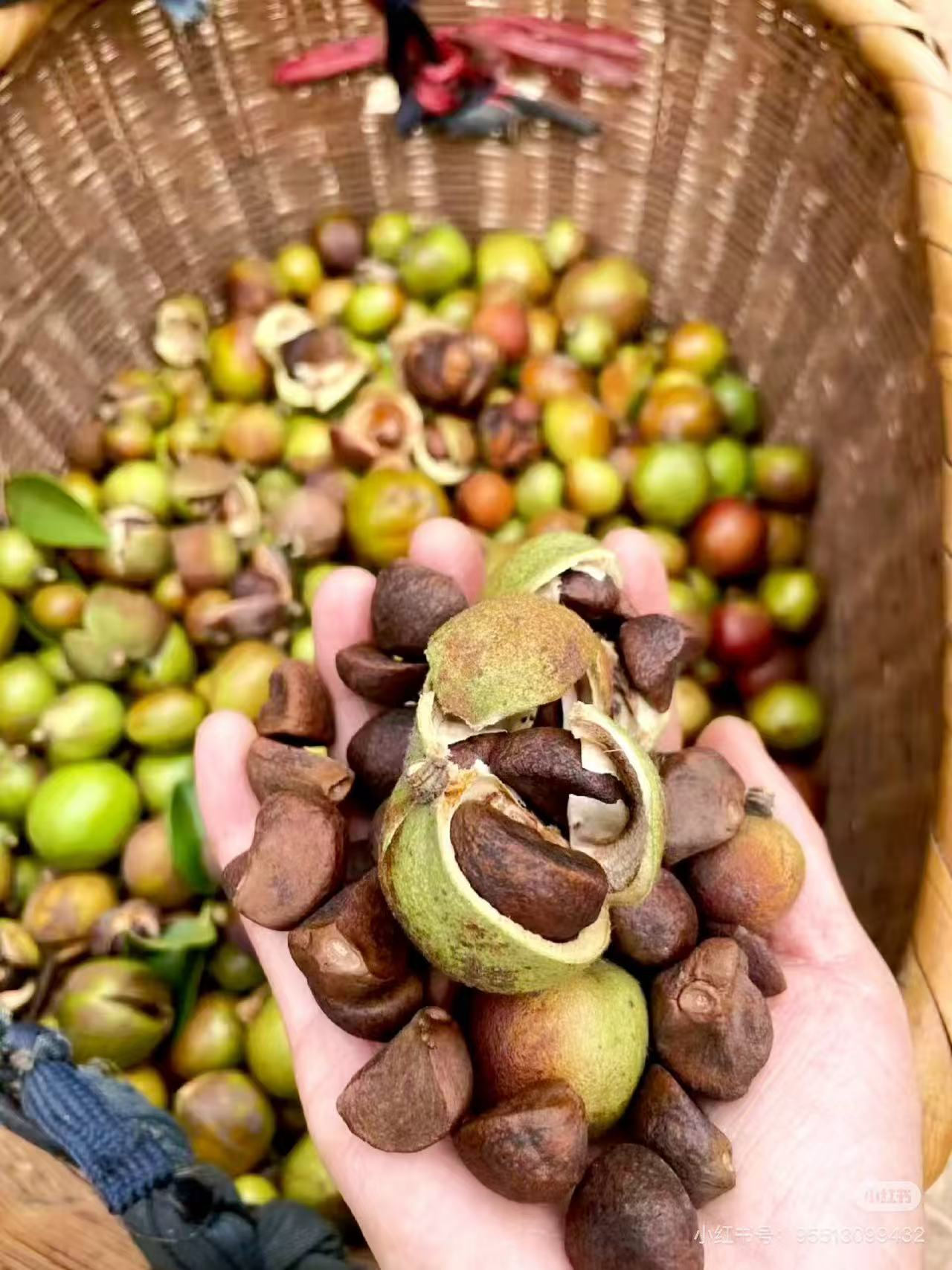
Oil Tea

Typical Representative: Oil Tea

Oil tea is known as the "iron crop" on mountainous and hilly lands.

1. Products

Oil tea products: edible camellia oil, oil tea cake (for washing or fertilizer), and oil tea honey.

2. Distribution

Major oil-tea producing counties are mainly located in the Hengshao Basin and Eastern Hunan, including eight counties (cities and districts): Shaoyang County, Liuyang City, Hengdong County, You County, Leiyang City, Changning City, Lukou District (formerly Zhuzhou County), and Liling City.

3. Growing Environment

Oil tea adapts to hilly lands at medium and low elevations. Eastern, central and southern Hunan are the most suitable regions. It prefers sunlight, tolerates drought, and grows well in subtropical climate zones.

Mountain Ranges of Xuefeng, Wuling, Luoxiao and Nanling

Geography and Landforms

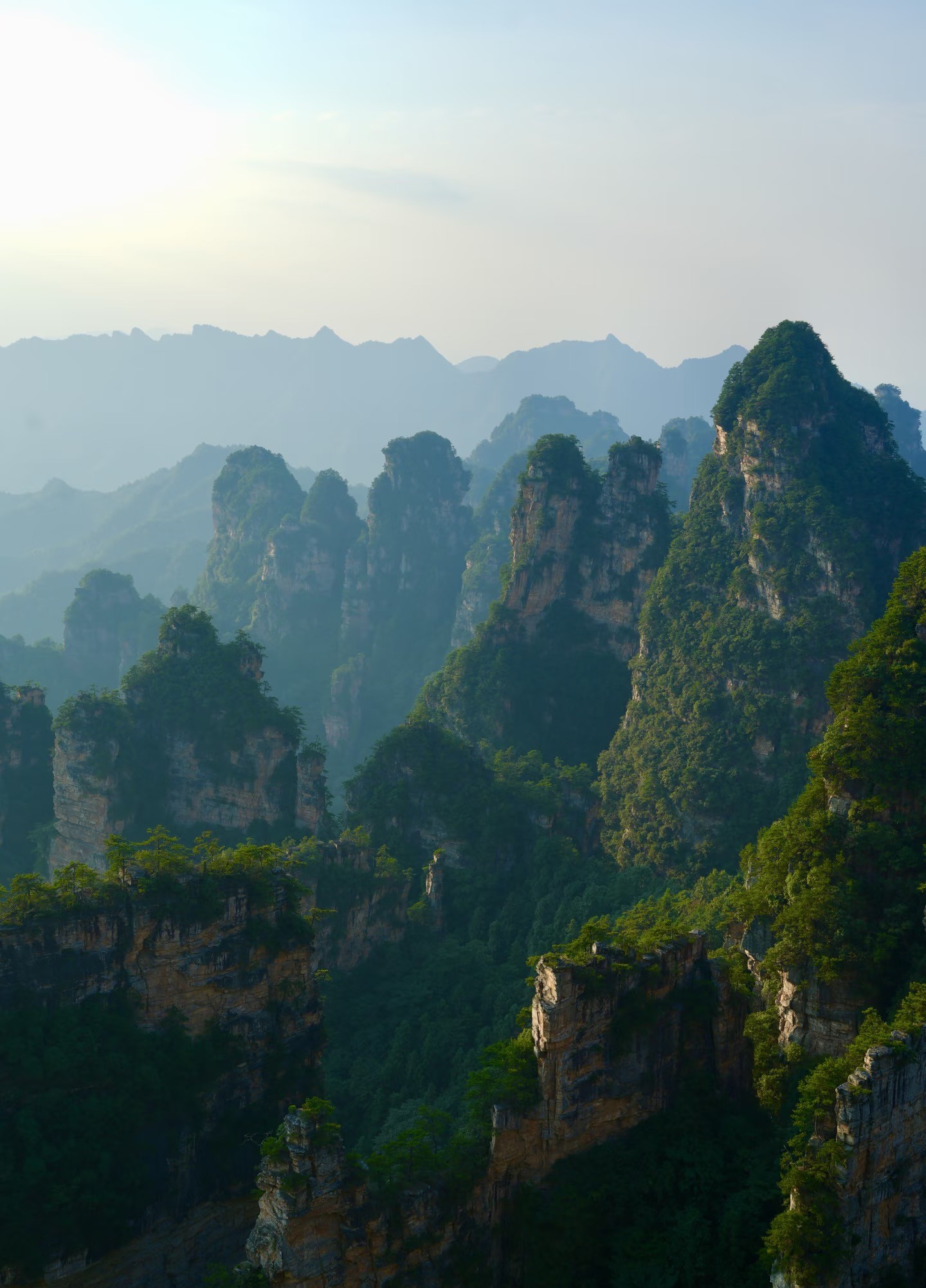
This extensive mountainous region forms the mountainous perimeter on the east, south and west sides of Hunan. The Wuling and Xuefeng Mountains in the west are major ranges along the boundary between China's second and third topographic steps. The Nanling Mountains in the south separate the northern and southern subtropical zones. The Mufu-Luoxiao Mountain Range in the east serves as the watershed between Hunan and Jiangxi provinces. The Wuling and Xuefeng Mountains in western Hunan mostly stand at elevations of 1000–1500 metres, featuring high mountains and deep valleys. They act as a barrier to east-west transportation within Hunan Province.

Climate and Soil

The mountain climate exhibits prominent vertical variations. Taking the Xuefeng Mountains as an example, the annual average temperature can drop to 12.7°C and annual precipitation may reach 1810 mm, with abundant cloud and mist and high humidity. Soils follow an altitudinal zonation pattern: yellow soil occurs at 200–1000 m, yellow-brown soil at 1000–1400 m, and mountain meadow soil on the summits. Karst landforms are widespread in the Wuling Mountains. Distinct soil altitudinal zonation can also be found in the Luoxiao and Nanling Mountains.

Representative Vegetation and Agriculture

This region boasts the richest variety of characteristic forest and agricultural products in Hunan.

LEARN MORE NOW
Mountain Ranges
Yanling Yellow Peach

Typical Representative: Yanling Yellow Peach

Yanling Yellow Peach is the calling card of Hunan's high-mountain fruits and a national geographical indication agricultural product.

1. Products

Its main cultivar is Jinxiu Yellow Peach. The fruit is nearly round, with an average single fruit weight of 150–200 grams. It has golden skin and firm golden flesh with little fibre, abundant juice, moderate sweetness and a rich aroma. As a mid-to-late maturing variety, it ripens from late July to mid-August.

2. Distribution

The core producing areas are high-mountain zones at elevations of 600–1100 metres, mainly including Miandu Town, Shidu Town, Longxi Township, Ceyuan Township and Xiayang Town.

3. Growing Environment

Yanling County lies deep within the Luoxiao Mountain Range, featuring a humid mid-subtropical monsoon climate. The annual average temperature is 17.2°C, with annual sunshine duration over 1500 hours, a frost-free period longer than 280 days and annual precipitation of approximately 1500 mm. The soils are predominantly red soil and yellow soil, with a pH of 5.5–6.5, rich in organic matter, minerals and particularly rare earth elements. Experts recommend elevations between 300–1100 metres as suitable planting areas, among which 600–900 metres are optimal.

Moso Bamboo

Typical Representative: Moso Bamboo (Chinese Medicinal Herbs)

Hunan ranks second nationwide in moso bamboo planting area, with over 16 million mu of bamboo forests. The area along the residual ridges of the Xuefeng Mountains, centred on Huaihua, forms China's finest contiguous growing region for moso bamboo. Its bamboo fibre features high strength and good toughness, and is hailed as the "Hermès" among moso bamboos.

1. Products

Bamboo timber (for construction and furniture), bamboo shoots (fresh or dried), bamboo fibre (for textiles), bamboo charcoal, woven bamboo crafts, and bamboo paper.

2. Distribution (Moso Bamboo)

Centred on Jingzhou of Huaihua, the residual Xuefeng Mountain area yields an annual raw bamboo output of 1.8632 million tonnes. Guidong County owns 153,000 mu of moso bamboo forest, with an annual utilisation of 5 million moso bamboos and fresh bamboo shoot output of 8 million jin. Suining County is one of the 30 "Hometowns of Bamboo in China" and one of Hunan's four demonstration counties for bamboo industry development, boasting a bamboo sea of 800,000 mu.

3. Growing Environment

Moso bamboo adapts well to humid subtropical climates. Thanks to favourable terrain and climatic conditions, the zone of the Xuefeng Mountain residual ridges becomes China's best contiguous region for moso bamboo growth.

About us

A science popularization information platform focusing on plants and agricultural geography of Hunan. Adopting the framework of four major terrain zones + eight categories of plants, we systematically sort out representative plants cultivable and growable in Hunan, including food crops, oil crops, vegetables, fruit trees, tea, Chinese medicinal herbs, fibre/industrial raw material crops, and ornamental/greening plants.

Contact

Address

88 Scenery Road, Changsha,
Hunan, China

Phone

+86 731 000 0000

Email

hello@hunantravel.example

Hours

Mon – Sat, 9:00 – 18:00